
24/7: 888-601-3473
In Texas, businesses face a variety of potential property damage risks, from hurricanes and floods to fire and vandalism. Preparing your Texas business for unexpected property damage is not just smart but essential to ensure continuity, protect your investment, and reduce recovery time. In this guide, we’ll explore actionable steps to safeguard your business against unforeseen challenges.
Conduct a Comprehensive Risk Assessment
Start by identifying the specific risks your business may face. Factors to consider include:
- Location: Are you in a flood-prone area or near a wildfire zone?
- Building Type: Is your building older or equipped with modern safety features?
- Operations: Are there any activities on-site that increase the likelihood of accidents?
A professional risk assessment can help you pinpoint vulnerabilities and prioritize solutions.
Develop a Property Damage Preparedness Plan
A solid plan ensures that your business can respond quickly in the event of property damage. Include the following elements:
- Emergency Contacts: Maintain a list of local emergency services, restoration professionals, and utility companies.
- Evacuation Procedures: Clearly outline how employees should evacuate in an emergency.
- Roles and Responsibilities: Assign specific tasks to key personnel, such as shutting off utilities or contacting insurers.
- Communication Strategy: Ensure you can communicate effectively with employees, customers, and stakeholders during and after an incident.
Strengthen Your Building’s Resilience
Preventative maintenance is a cornerstone of property damage preparation. Here are some improvements to consider:
- Roof and Gutters: Inspect regularly for leaks or debris that could exacerbate storm damage.
- Windows and Doors: Install impact-resistant materials to protect against high winds and debris.
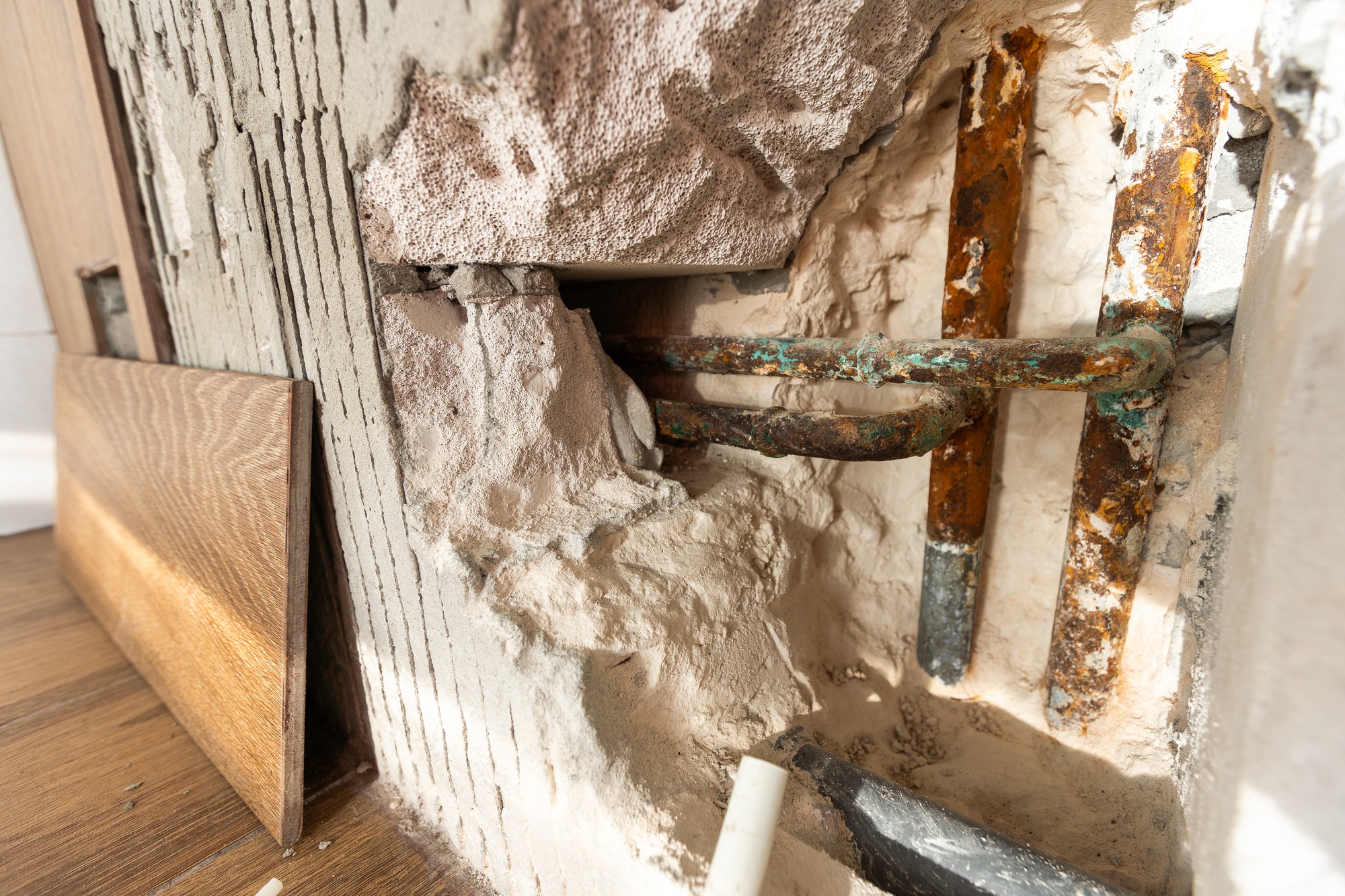
- Plumbing Systems: Address leaks promptly and insulate pipes to prevent freezing during colder months.
- Fire Prevention Systems: Test fire alarms and sprinkler systems regularly to ensure functionality.
Secure Essential Data and Assets
Your business’s physical structure isn’t the only thing at risk. Protect important documents and data by:
- Backing up digital files to secure cloud storage.
- Keeping hard copies of critical documents in fireproof and waterproof safes.
- Creating an inventory of equipment, furniture, and other assets to streamline insurance claims.
Review and Update Insurance Coverage
Insurance is your financial safety net against property damage. Periodically review your policies to confirm adequate coverage for your building, equipment, and inventory. Key types of coverage include:
- Property Insurance: Covers damage to your building and physical assets.
- Business Interruption Insurance: Compensates for lost income during downtime.
- Flood Insurance: Essential for businesses in high-risk flood zones.
Work with your insurance agent to understand your policy’s limits, exclusions, and deductibles.
Train Employees on Emergency Procedures
Prepared employees can make a significant difference during a crisis. Conduct regular training sessions to:
- Familiarize staff with the emergency preparedness plan.
- Teach first aid and basic fire safety skills.
- Simulate emergency scenarios to improve response times and decision-making.
Establish Relationships with Local Professionals
Having trusted restoration and repair professionals on call can expedite recovery after property damage. Research local companies and create a list of contacts who specialize in:
- Water and fire damage restoration
- Structural repairs
- Mold remediation
Monitor Weather and Local Alerts
Stay informed about potential threats by signing up for local weather alerts and monitoring news updates. Being proactive allows you to implement preventative measures, such as securing outdoor equipment or relocating inventory.
Conclusion
Preparing your Texas business for unexpected property damage is a crucial step toward protecting your livelihood. By assessing risks, strengthening your building, securing assets, and maintaining an effective response plan, you can minimize the impact of disasters and recover faster.
If property damage occurs, Cavalry Construction is here to help. Serving Austin, San Antonio, Dallas/Fort Worth, and Houston, our team works closely with your insurance company to make the restoration process seamless. Call our 24/7 Emergency Response Line at 888-601-3473 to get the support you need when it matters most.