
24/7: 888-601-3473
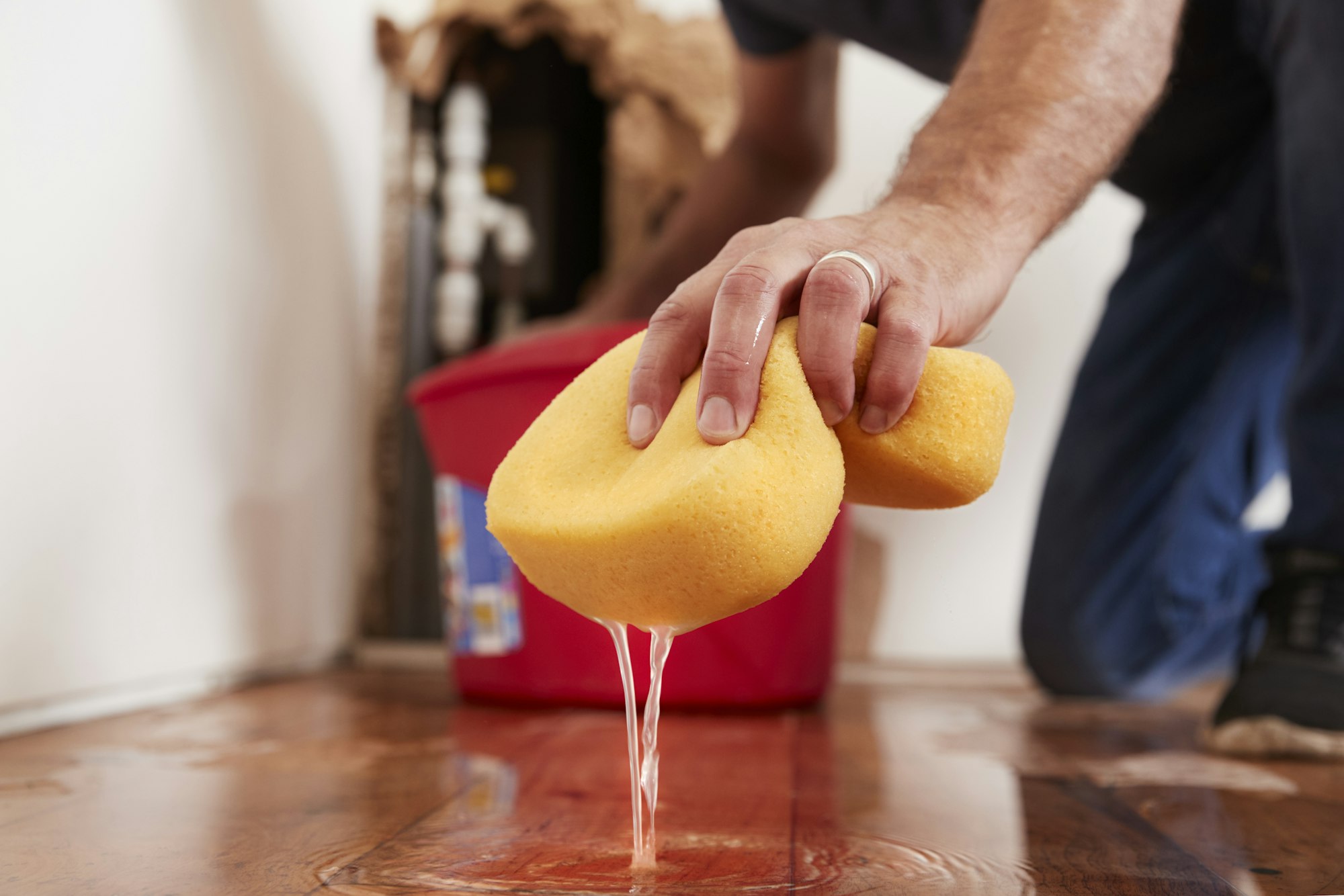
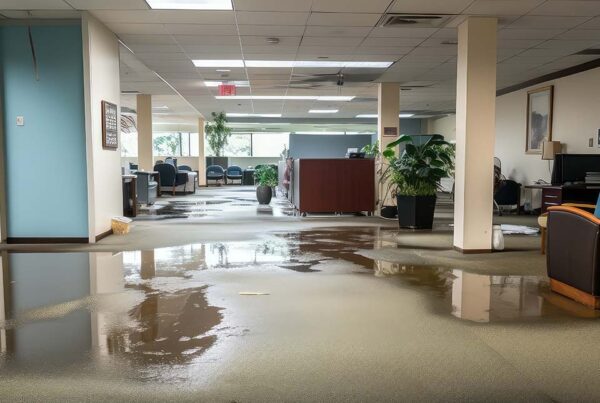
Water damage is a significant concern for both homeowners and business owners. Learning how to handle water damage properly can make a difference. Whether it’s caused by a burst pipe, a leaking roof, or a natural disaster, addressing water damage quickly and efficiently is essential to minimize harm to your property and ensure safety. Effectively managing water damage requires a clear, methodical approach. By following these steps below, you can handle water damage efficiently and protect your home or business.
1. Ensure Safety First
Before tackling any water damage, prioritize safety to protect yourself and others:
- Turn Off the Power: If water has come into contact with electrical outlets or appliances, immediately turn off the electricity to prevent electric shocks.
- Avoid Contact: If the water is contaminated or its source is unclear, avoid direct contact. Use protective gear such as gloves and boots.
- Evacuate: In cases of severe water damage, evacuate the premises until it is safe to return.
2. Assess the Damage
Once it’s safe to re-enter, assess the extent of the damage to determine the next steps:
- Identify the Source: Locate the cause of the water damage, whether it’s a burst pipe, a roof leak, or another issue. Fixing the source is crucial to preventing further damage.
- Check for Structural Damage: Inspect for signs of structural issues, such as sagging ceilings, warping floors, or cracks in walls. If you discover significant damage, seek professional assistance immediately.
3. Remove Standing Water
Prompt removal of standing water is essential to prevent further damage and mold growth:
- Use Pumps or Wet Vacuums: For substantial amounts of water, employ a submersible pump or a wet vacuum to remove it quickly.
- Mop and Wipe: For smaller volumes, use mops and towels to absorb excess water. Ensure that all moisture is thoroughly removed.
4. Dry Out the Area
Proper drying is critical to avoid mold and mildew:
- Ventilate the Space: Open windows and doors to improve air circulation. Use fans and dehumidifiers to accelerate the drying process.
- Remove Wet Materials: Discard materials that cannot be salvaged, such as soaked carpets, insulation, and drywall, as they can harbor mold and bacteria.
5. Clean and Disinfect
Water damage can introduce contaminants into your property, so cleaning and disinfecting are vital:
- Clean Surfaces: Wash and disinfect all affected surfaces with a water and detergent solution. Use appropriate disinfectants to eliminate bacteria and other pathogens.
- Address Contaminated Items: For items that have been contaminated, such as upholstery and clothing, consider professional cleaning or replacement if they cannot be adequately cleaned.
6. Inspect for Mold Growth
Mold can start growing within 24-48 hours of water exposure, so checking for mold is crucial:
- Look for Visible Mold: Examine walls, ceilings, and other areas for visible signs of mold growth, which can appear as black, green, or white spots.
- Check Hidden Areas: Use a moisture meter to check less visible areas, such as behind walls or under flooring.
7. Repair and Restore
After cleaning and drying, begin the repair and restoration process:
- Repair Damage: Address any structural damage, including cracks, holes, or warped flooring. If necessary, hire a professional to ensure repairs are done correctly.
- Restore Aesthetics: Reinstall any materials that were removed, such as drywall and flooring. Repainting walls and ceilings might also be necessary if they were affected.
8. Prevent Future Water Damage
Taking proactive steps can help prevent future water damage:
- Inspect and Maintain: Regularly inspect your property for potential issues like roof leaks, faulty plumbing, or inadequate drainage. Address problems promptly.
- Install Water Alarms: Consider installing water alarms or sensors in areas prone to flooding, such as basements or near water heaters. These devices can alert you to potential issues before they escalate.
Professional Water Damage Restoration Services Can Help
If you face significant water damage, professional restoration services are essential. Experts have specialized equipment, like high-powered pumps and industrial dehumidifiers, to quickly remove water and moisture. They also provide accurate assessments of structural damage and prevent mold growth, which can lead to further issues.
Insurance and Water Damage
Remember, prompt action and professional help can prevent additional problems and ensure thorough cleanup. Insurance typically covers water damage from within your home or business, such as a burst pipe, but may not cover flood or maintenance issues. Check with your insurance carrier for coverage details.