
24/7: 888-601-3473
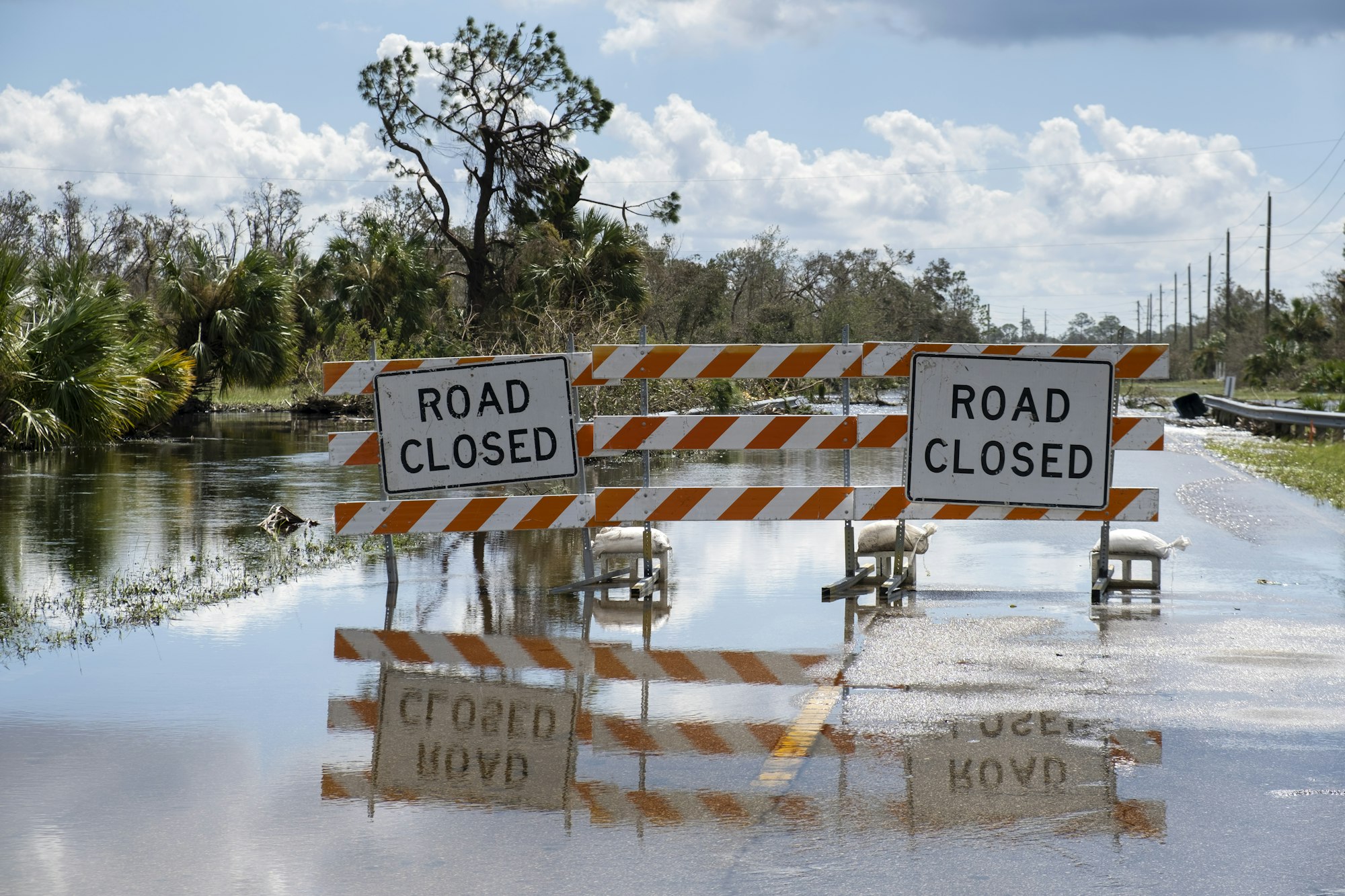
Flooding can be devastating for homeowners, especially in Texas where heavy rainfall, flash flooding, tropical storms, and hurricanes are common. Taking proactive steps to protect your property can reduce the risk of costly repairs and the need for emergency water damage restoration. This guide explores practical ways to help safeguard your home, minimize flood damage, and better protect your family during severe weather.
Why Flood Protection Is Essential for Texas Homeowners
Flooding in Texas is a recurring issue due to the state’s vast size and diverse climate. From the Gulf Coast’s hurricane risks to the flash floods common in many inland areas, flood protection is critical. According to the National Flood Insurance Program (NFIP), flooding is the most common and costly natural disaster in the U.S. In Texas, it’s particularly important to stay prepared. Proactively protecting your home can save you money, reduce stress, and help avoid long-term property damage.
1. Elevate Your Home or Key Areas
One of the most effective ways to protect your home from flooding is by elevating it above the base flood elevation (BFE) level. If you’re building a new home or undertaking a major renovation, consider working with a contractor to elevate your property or key components like the foundation or electrical system. This is especially crucial in areas prone to flooding.
If you already own a home and elevation is not feasible, consider elevating critical systems. Install flood barriers or elevate appliances, HVAC units, and electrical panels above the expected flood level. This way, if floodwaters do rise, your home’s essential systems are less likely to be compromised.
2. Seal Gaps and Leaks
Even minor gaps and leaks can allow floodwater to seep into your home during a storm. Inspect your property for cracks or gaps in the foundation, windows, and doors, and seal them with appropriate materials. You can use caulk or silicone sealants to protect vulnerable areas.
Also, check around vents, pipes, and cables for any possible entry points. If your home has a basement, ensure window wells are properly sealed and well-maintained. If there are small cracks in your foundation, get them professionally repaired to prevent water infiltration.
3. Install Sump Pumps
A sump pump is a must-have for homes prone to flooding, particularly those with basements or crawl spaces. This device works by pumping excess water out of your home before it can cause serious damage. Ensure your sump pump is in good working condition by checking it regularly and keeping it clean.
Consider installing a battery-powered backup sump pump. This can provide a vital line of defense if your primary sump pump fails or if there’s a power outage during a storm.
4. Improve Yard Drainage
Proper yard drainage can prevent floodwaters from pooling near your home. Start by ensuring your gutters and downspouts are clear of debris so rainwater can flow away from your home. Install downspout extensions to direct water further from your foundation.
If heavy rainfall has already caused flooding, acting quickly is critical. Understanding how professional water damage recovery works can help reduce long-term structural damage.
Another excellent option is grading your yard. Your yard should slope away from the house so water runs off rather than pooling around the foundation. If your yard has areas prone to standing water, consider installing a French drain system or a dry well to redirect water flow.
5. Invest in Flood Barriers and Sandbags
For immediate flood protection during heavy storms or hurricanes, flood barriers and sandbags can provide temporary relief. Flood barriers can be installed around doors and windows to create a physical barrier to water. Sandbags, though temporary, can be used to block water from entering vulnerable areas like doorways or garages.
Keep in mind that these are short-term measures and should be used alongside long-term flood prevention strategies. You can also learn more about protecting your home from future water damage and the first steps to take after water damage if flooding affects your property.
6. Stay Informed and Prepare Your Family
Flood preparedness isn’t just about protecting your property; it’s also about keeping your family safe. Stay informed by monitoring local weather reports, especially during the storm season. Know your local flood risks and make sure you have a family emergency plan in place.
Keep emergency supplies like non-perishable food, bottled water, and first aid kits on hand. Create a list of important documents (e.g., insurance policies, identification, and medical records) and store them in waterproof containers.
7. Flood Insurance: Protect Your Investment
Flood insurance can help cover repair and cleanup costs after a flood event, but acting quickly is equally important. Understanding the insurance claims process and documenting damage early can help simplify recovery.
Protect Your Home and Property
Protecting your home from flooding requires proactive measures, from elevating your property to improving drainage and sealing leaks. In Texas, where the risk of flooding is high, taking these precautions can prevent significant damage and protect your family’s safety. Be sure to implement these flood protection measures to safeguard your home for years to come.
For expert assistance with flood protection, emergency response, and property recovery, Cavalry Construction & Restoration is here to help homeowners and businesses throughout Texas. If flooding has already occurred, learn more about property reconstruction and the steps involved in restoring your property after major damage.