24/7: 888-601-3473


If you’re responsible for a commercial property in Houston, one serious water damage event can…

CavarlyJune 3, 2025


It’s crucial to act fast after water damage occurs. If you’ve recently suffered a fire, your building could show signs of water damage from the fire department’s hoses.
If floods or other disasters have impacted your property, water damage could be seeping into your floors, walls, and furniture.
Structural drying is a highly technical and scientific process that requires the work of trained professionals. Cavalry Construction certified water technicians are on call 24/7 to begin the water removal and structural drying process within hours of an emergency, no matter what the case.
The first move should always be to contact a professional company with water damage reconstruction experience. At Cavalry, we’re experts in water removal and professional drying processes. We have extensive experience in restoring losses incurred by both water and fire. Our phone line is open 24/7 for emergencies. We will assess the damage, provide an estimate for the cost of restoration, and begin the cleanup process as quickly as possible.
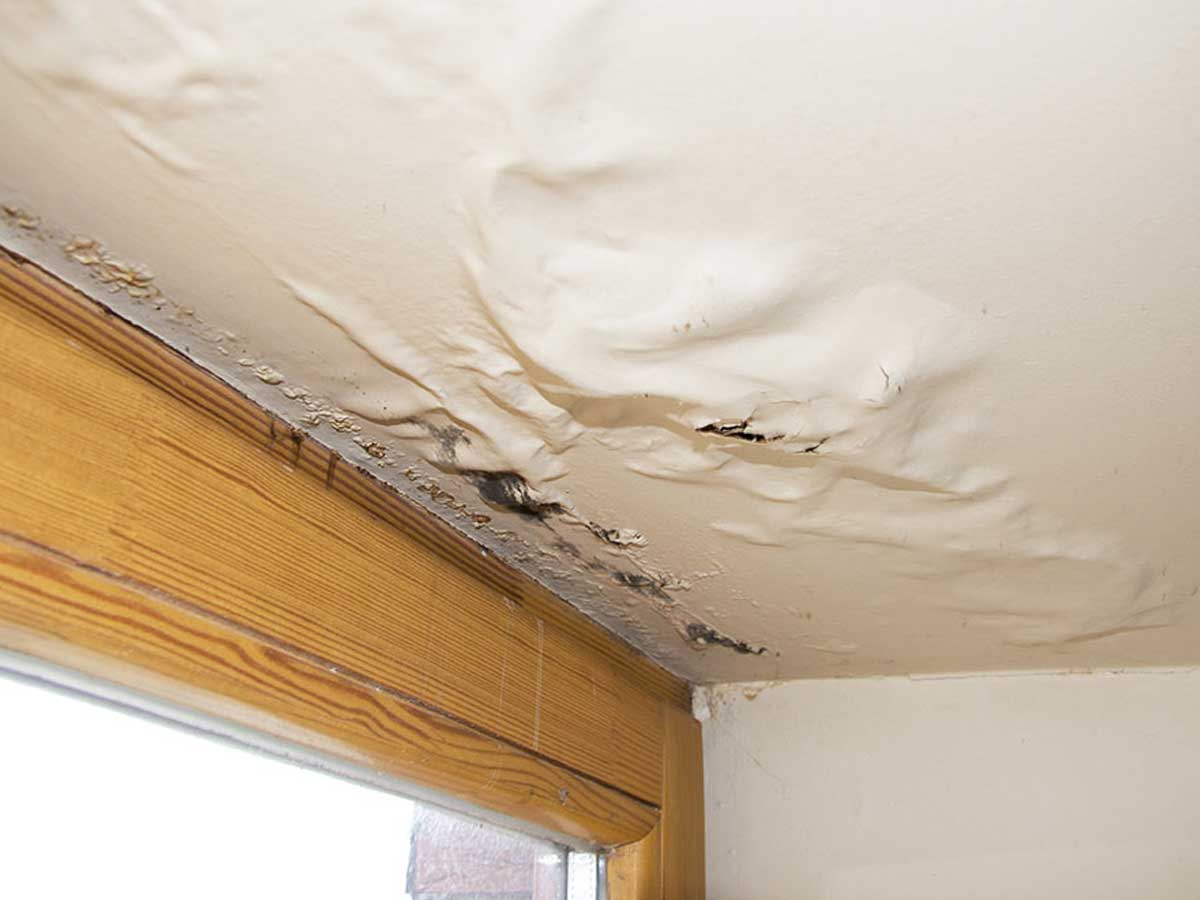
Take plenty of photos and videos of the damage for your insurance company. This can help explain the damages you sustained to make the restoration necessary.
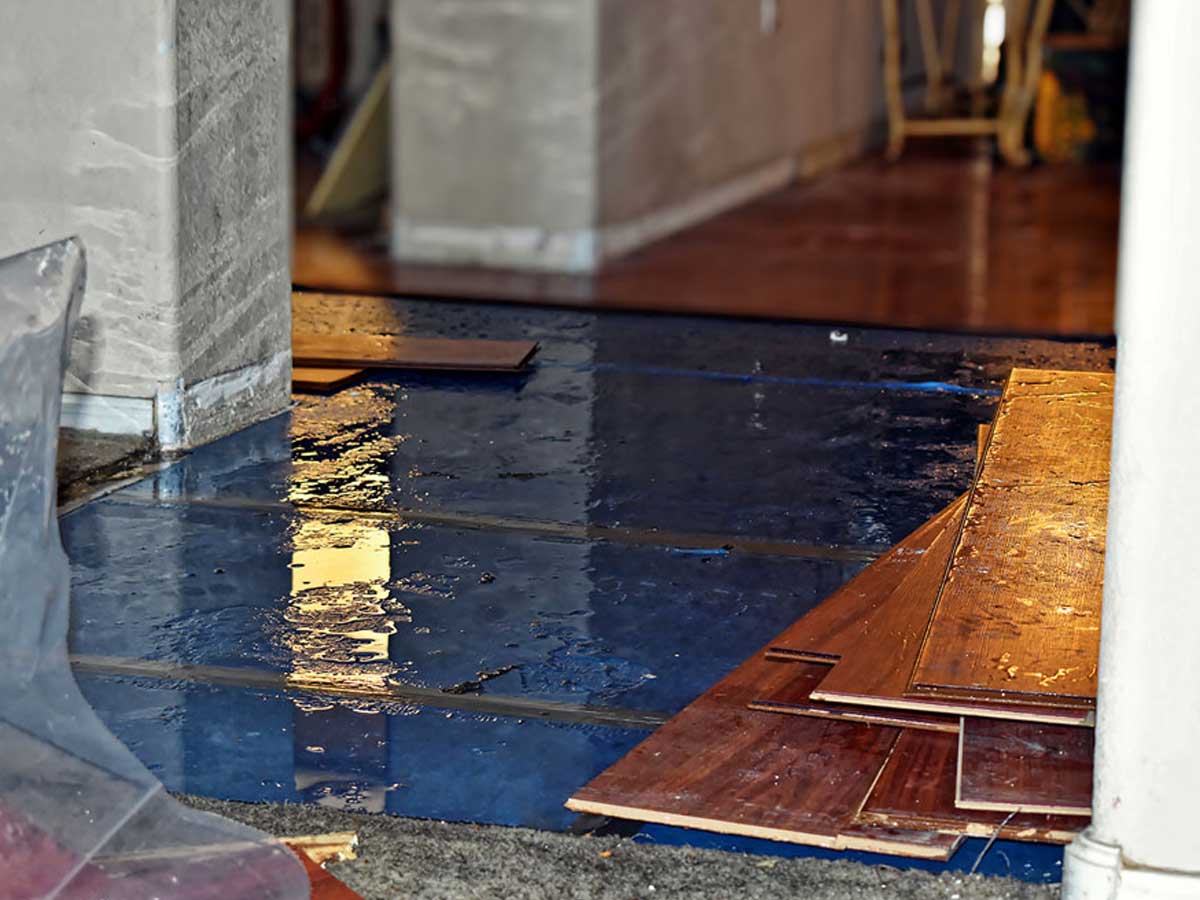
Any damaged materials, such as drywall, carpeting, or insulation, should be removed and disposed of to prevent mold growth.
Standing water should be removed as soon as possible to prevent further damage and mold growth. Cavalry will use pumps and vacuums to remove water from the property.
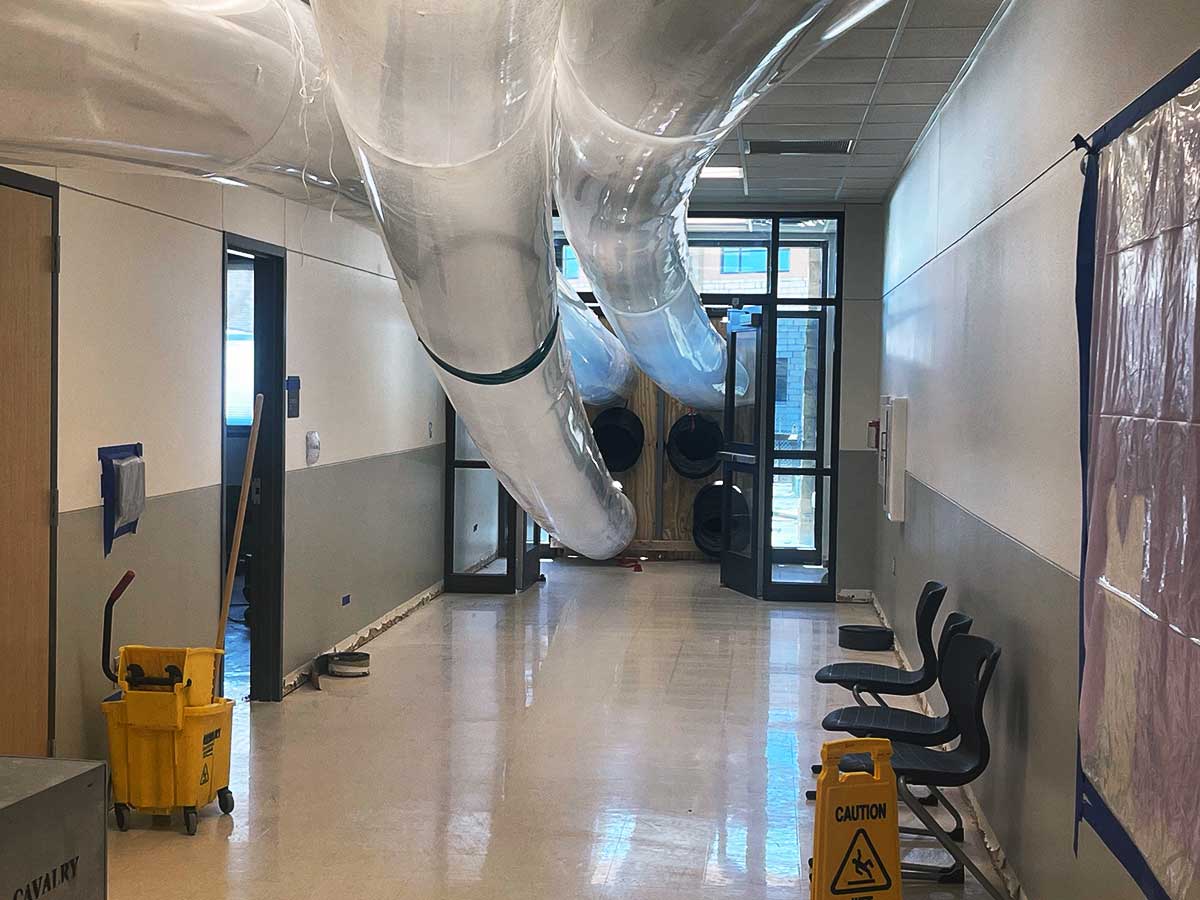
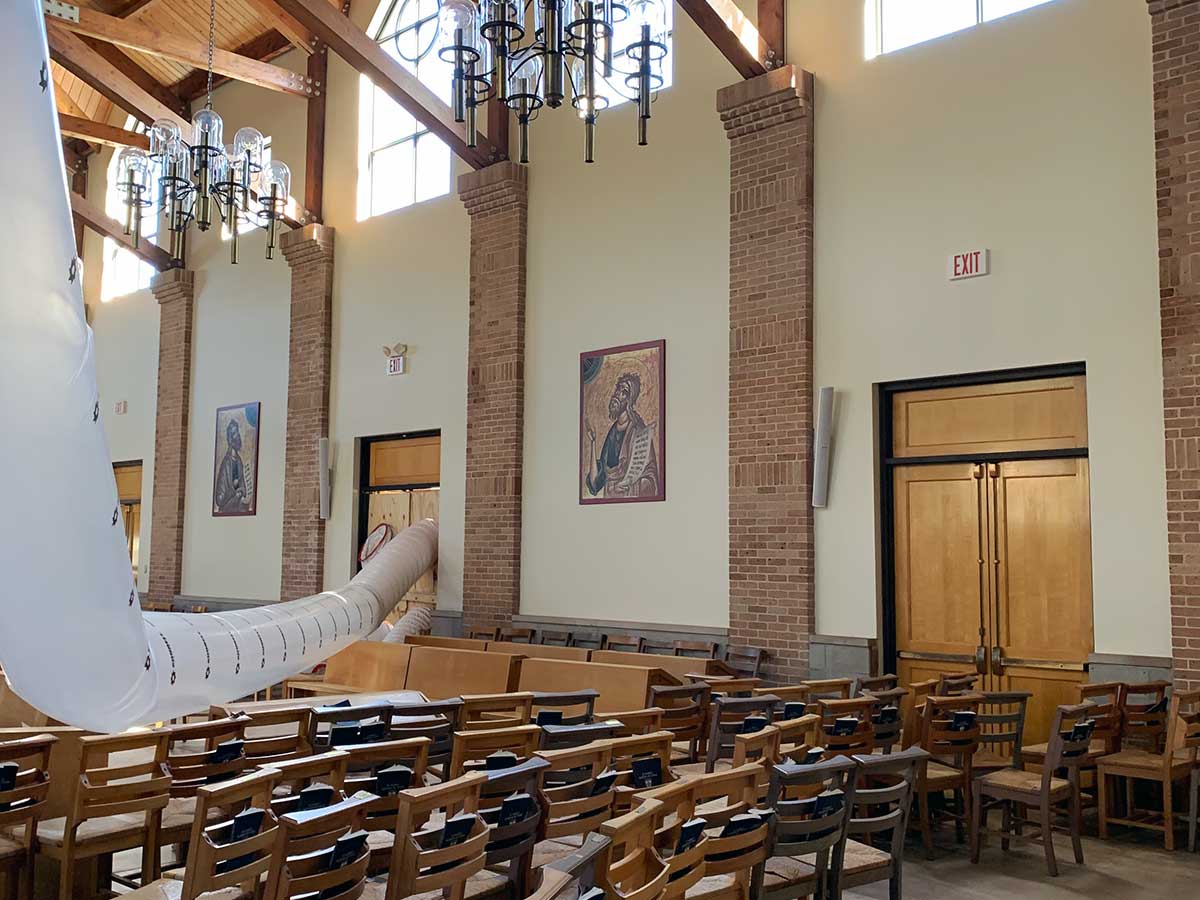
Once the standing water is removed, the property should be dried out using dehumidifiers, air movers, and other equipment to prevent mold growth.
Professional water damage restoration begins with a detailed inspection and assessment of the affected areas. The restoration team identifies the source of the water, evaluates structural impact, and begins water removal and mitigation procedures to prevent further damage.
Preventing mold growth requires rapid water removal and thorough structural drying. Professional restoration teams use specialized drying equipment and moisture monitoring techniques to ensure affected materials are properly dried before reconstruction begins.
Water damage caused by flooding, burst pipes, appliance failures, storm intrusion, or firefighting efforts requires immediate attention. Acting quickly helps reduce structural deterioration and secondary damage to walls, flooring, and building systems.
The timeline varies depending on the extent of damage and the materials affected. After an initial assessment, restoration professionals develop a mitigation plan and monitor moisture levels to determine when drying is complete before moving into repair or reconstruction
In many cases, structural materials can be restored if addressed quickly. A professional evaluation determines whether materials such as drywall, flooring, and framing can be dried and repaired or need to be replaced.


We proudly serve our clients with the highest standards of quality and professionalism.


Cavalry is proud to serve communities across the Austin, San Antonio, Dallas/Fort Worth, and Houston areas. And no matter where you are, we’ll work hand in hand with your insurance company to ensure the restoration process goes smoothly. Once the fire is extinguished, Cavalry should be the first call you make!